Getting to Lhasa
Flights, the Qinghai-Tibet Railway, airport transfers, and navigating the city. Everything you need to get yourself from your front door to the gates of Potala Palace.
Updated: August 2026
Reaching Lhasa: Train vs. Flight
The single most important transport decision for your Tibet trip — it's not just about time and money, it's about how hard the altitude hits you.
Qinghai-Tibet Railway
Safer · Scenic · SlowerThe world's highest railway, reaching 5,072m at Tanggula Pass. The 21-hour journey from Xining (2,275m to 3,650m) gives your body precious time to acclimatize. Every car is pressurized and oxygen-enriched with individual oxygen outlets.
Flying to Lhasa
Faster · Harder on BodyDirect flights from approximately 15 Chinese cities. The flight is easy, but landing at 3,650m after two hours at sea-level cabin pressure gives you zero acclimatization time. Your body will feel it immediately.
Airport to City Center
60 km from Lhasa Gonggar Airport to the city. Three ways to make the journey.
Airport Shuttle Bus
Most economical. Departs when full (every 30–60 min) from arrivals terminal. Destination: Civil Aviation Bureau on Niangre Road, ~1 km north of Potala. From there, a short taxi (CNY 10) or 15-min walk.
- Cheapest option
- Reliable frequency
- Drops near Potala
Taxi
Available outside arrivals. 60 minutes. Agree on price before getting in (meters rarely used for airport runs). Have your hotel address written in Chinese on your phone.
- Door-to-door
- 60-minute journey
- No waiting
Hotel Pickup
Arrange through your hotel when booking. Worth the premium for: a driver holding a sign with your name, guaranteed vehicle quality, and less stress when you're already dealing with altitude.
- Name sign at arrivals
- Guaranteed quality
- Zero stress
Lhasa Railway Station
On the south bank of the Lhasa River, 8 km southwest of Potala Palace.
The station is large, modern, and well-organized. Taxi to city center: CNY 30–40 (15–20 minutes). Buses: Lines 1, 13, 14 connect to the city (CNY 1–2), but navigating them with luggage at altitude isn't recommended for first-timers.
Getting Around Lhasa
Lhasa's central attractions are walkable, but altitude changes the math.
Taxis
Base fare CNY 10 (first 3 km), CNY 2/km after. Barkhor to Potala: CNY 10–15. Most drivers don't speak English — show destination in Chinese. Generally honest about meters.
Buses
CNY 1–2 per ride. Key lines: Bus 8 (Barkhor–Potala), Bus 13 (Railway station), Bus 24 (Sera Monastery). Entirely in Chinese — an experience, not a convenience.
Walking
Potala to Jokhang: 2 km, 25 min. Flat, paved, fascinating. At 3,650m, double your normal time estimates and plan rest stops.
Bikes & E-Bikes
Shared bikes (Meituan, Hellobike) available in Lhasa. E-bikes ideal — electric assist negates altitude's effect. Rentals near Barkhor: CNY 50–100/day.
Getting to Potala Palace
It sits on Red Hill in the exact center of Lhasa. Visible from almost everywhere.
Tell the driver "布达拉宫" (Bùdálā Gōng). CNY 10–15 from most central locations. Dropped at east gate.
Walk west along Beijing East Road for 20–25 min. The palace grows larger with every step. Approach from the south for the full dramatic reveal.
Entry is through the east gate (uphill approach with stone steps). The south gate is exit-only. Don't walk to the south gate expecting to enter.
You exit through the west gate. A path leads down to Beijing Middle Road. Taxis available. Walk to Barkhor from the west gate is ~15 min downhill.
Day Trips & Beyond Lhasa
Most visitors want to see Tibet beyond the city. Quick-reference overview.
Ganden Monastery
45 km eastMinibus from Barkhor area (CNY 30, 1.5h). Departs 6:30–7:00 AM. Or taxi for the day: CNY 400–500 round trip.
Drepung Monastery
8 km westBus 24 or taxi (CNY 30). A half-day trip. Once the world's largest monastery.
Yamdrok Lake
100 km SWTour vehicles only (CNY 300–500/person group tour). Crosses Kamba-la Pass (4,794m). Requires Aliens' Travel Permit.
Nam Tso Lake
220 km NFull-day trip (CNY 400–600). Sacred lake at 4,718m. Significantly higher than Lhasa — don't attempt on day 1 or 2.
Shigatse
270 km W5–6 hours by road. Home to Tashilhunpo Monastery. Multi-day tours often combine with Everest Base Camp.
Everest Base Camp
610 km from LhasaMinimum 4–5 days round trip. A major undertaking requiring dedicated planning, permits, and altitude preparation.
Practical Transport Tips at Altitude
Arrival Day Rest
Don't schedule transport-heavy activities for your first 24 hours. Your body is working hard just breathing — don't make it also navigate a new city.
Carry Water
Dry air at altitude dehydrates you faster than you realize. Have at least 1 liter of water on any transport leg longer than 30 minutes.
Sun in Vehicles
UV index can exceed 12 in summer. Car windows don't block UVA rays. Wear sunscreen even for a 10-minute taxi ride.
Road Conditions
Roads within Lhasa are excellent. Outside the city, highways are generally good but affected by landslides in summer (Jul–Aug) and ice in winter (Dec–Feb).
Motion Sickness
If prone to carsickness, high-altitude winding roads amplify it. Bring medication if doing day trips into the mountains.
Fuel Stations
Plentiful in Lhasa. On long-distance routes, fill up whenever you see a station. Distances between stations can exceed 100 km.
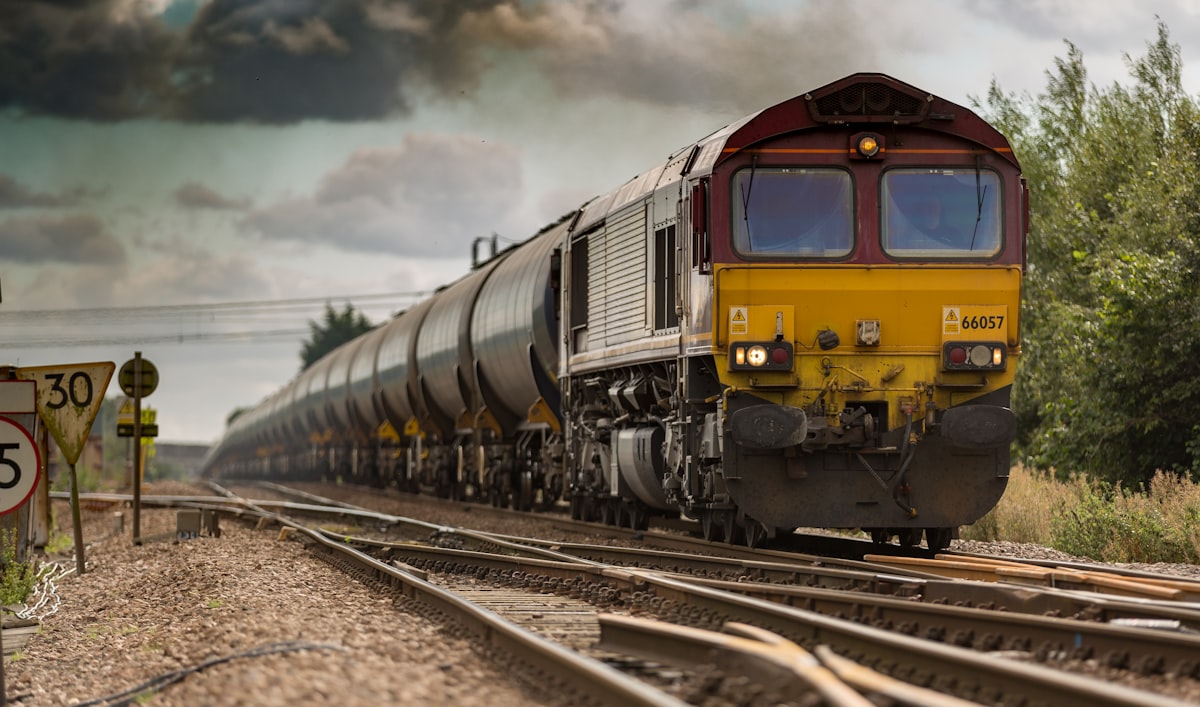
Take the train if you can. The gradual ascent, the oxygen-enriched cars, and the spectacle of the Tibetan Plateau unfolding outside your window — it's not just transport. It's part of the Tibet experience.
— Travelers who chose the Qinghai-Tibet Railway over flying
Transport Questions Answered